The U.S. Department of the Treasury announced on Thursday sweeping sanctions against Luftar Hysa, several members of his family, and dozens of associated businesses spanning Mexico, Canada, and Europe, accusing them of forming the core of the “Hysa Organized Crime Group” — a network allegedly involved in narcotrafficking-linked money laundering, bulk cash smuggling, and the operation of cartel-connected casinos across Mexico.
The sanctions, issued jointly by the Treasury’s Office of Foreign Assets Control (OFAC) and the Financial Crimes Enforcement Network (FinCEN), were coordinated with the Government of Mexico as part of a bilateral push to combat Sinaloa Cartel–linked financial crime.
Treasury: Hysa Clan Laundered Cartel Proceeds Through Casinos and Restaurants
OFAC designated 27 individuals and entities, including Luftar Hysa; his three brothers Arben, Fatos and Ramiz, and relative Fabjon Hysa; and a web of companies operating casinos, restaurants, fuel businesses, logistics firms, and gaming operations. Treasury officials describe the Hysa network as using its businesses “to launder the proceeds of narcotics trafficking” with the consent of the Sinaloa Cartel, which controls the territory where many of the group’s operations are based.
According to the Treasury, Luftar Hysa — who has appeared in media and presented himself as a businessman operating between Mexico and Europe — worked alongside family members to move bulk cash from Mexico to the U.S., launder funds through a U.S. company, and enrich themselves via Europe-based entities tied to suspected narcotraffickers.
The sanctions freeze all U.S.-based assets of the listed individuals and entities and prohibit U.S. persons from engaging in any transactions with them. FinCEN simultaneously proposed a special measure to cut off 10 Hysa-linked casinos from the U.S. financial system, citing their longstanding role in laundering money for the Sinaloa Cartel.
Sanctioned Hysa Previously Photographed Entering the Office of Albanian PM Edi Rama
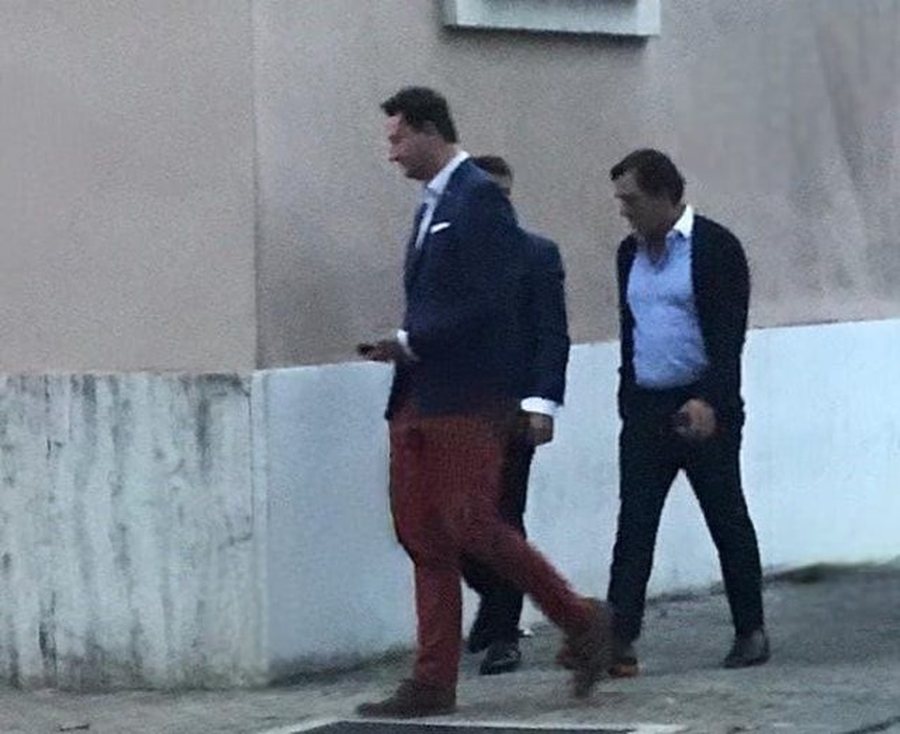
The new U.S. designations immediately revived public scrutiny in Albania over Luftar Hysa’s visit to the office of Prime Minister Edi Rama, in October 2020.
The visit became public when MCN TV published photographs of Hysa leaving the Prime Minister’s Office in Tirana. At the time, both Rama and Hysa reacted forcefully.
Hysa appeared on the evening talk show Opinion on TV Klan claiming that the meeting was “artistic” in nature. He pretended he was assisting a Scottish friend — a photographer and author — who sought to prepare a book promoting Albania. “Seeing that Rama is also an artist… I proposed the project,” Hysa said, insisting the purpose of the encounter had nothing to do with business or casinos.
Meanwhile, Rama initially condemned media reports about the meeting as slander and dismissed Mexican reporting linking the Hysa family to the Sinaloa Cartel.
Rama’s Later Version: Meeting Was About a Casino License
However, the Prime Minister’s explanation shifted this week when questioned by reporters from Italy’s Rai Tre Report program following renewed interest in the meeting.
Rama said he did not know who Hysa is, but acknowledged that the purpose of the meeting was in fact related to the casino license for the Marina Bay resort in Vlorë — an establishment owned by a local family.
He explained that acquaintances of the owners had introduced Hysa as someone living in Mexico who could “help operate the casino.” According to Rama, the visitors asked about Albania’s legal framework for casinos in five-star hotels. “They had this five-star structure, and automatically they were entitled” to a casino license, Rama said.
The Prime Minister made no reference to the earlier claim that the meeting centered on a book project.
Questions Resurface as Sanctions Bring Case Back Into Public View
The U.S. Treasury’s designation of the Hysa family as a significant transnational criminal organization would undoubtedly ignite debates in Albania about due diligence, political accountability, and transparency in high-level meetings.
As OFAC now blocks the Hysa network from accessing the U.S. financial system and FinCEN moves to sever their casino operations from international banking channels, the Albanian public is again left examining how a figure accused by the U.S. of facilitating cartel-linked laundering was received in the office of Albania’s head of government.
The Prime Minister insists that meeting individuals later implicated in criminal activity does not make him responsible for their actions. For many observers, however, the Treasury designations may intensify demands for stronger vetting protocols, more consistent public explanations, and clearer safeguards surrounding high-level access to political offices.
Shpërndaje te miqtë